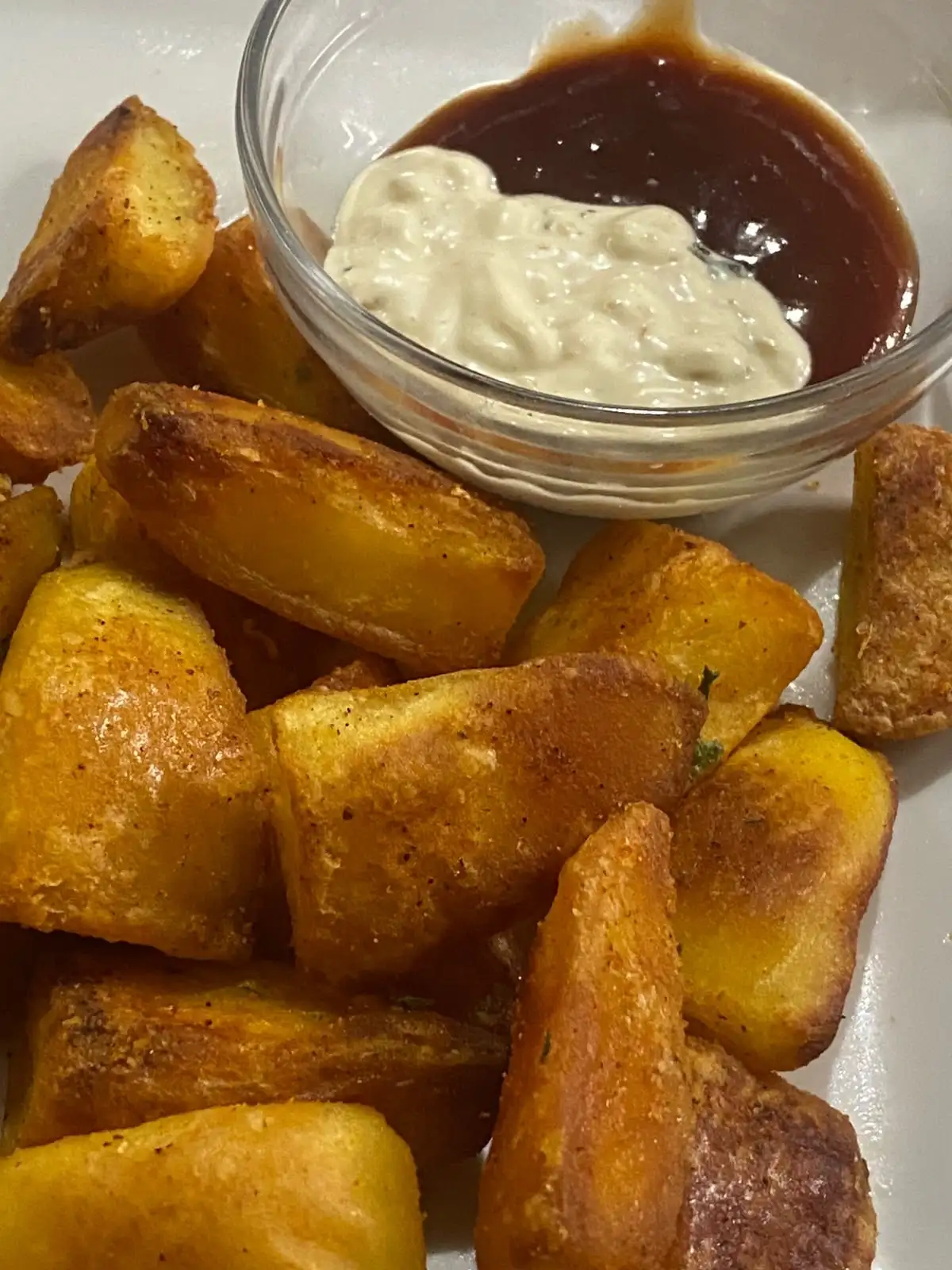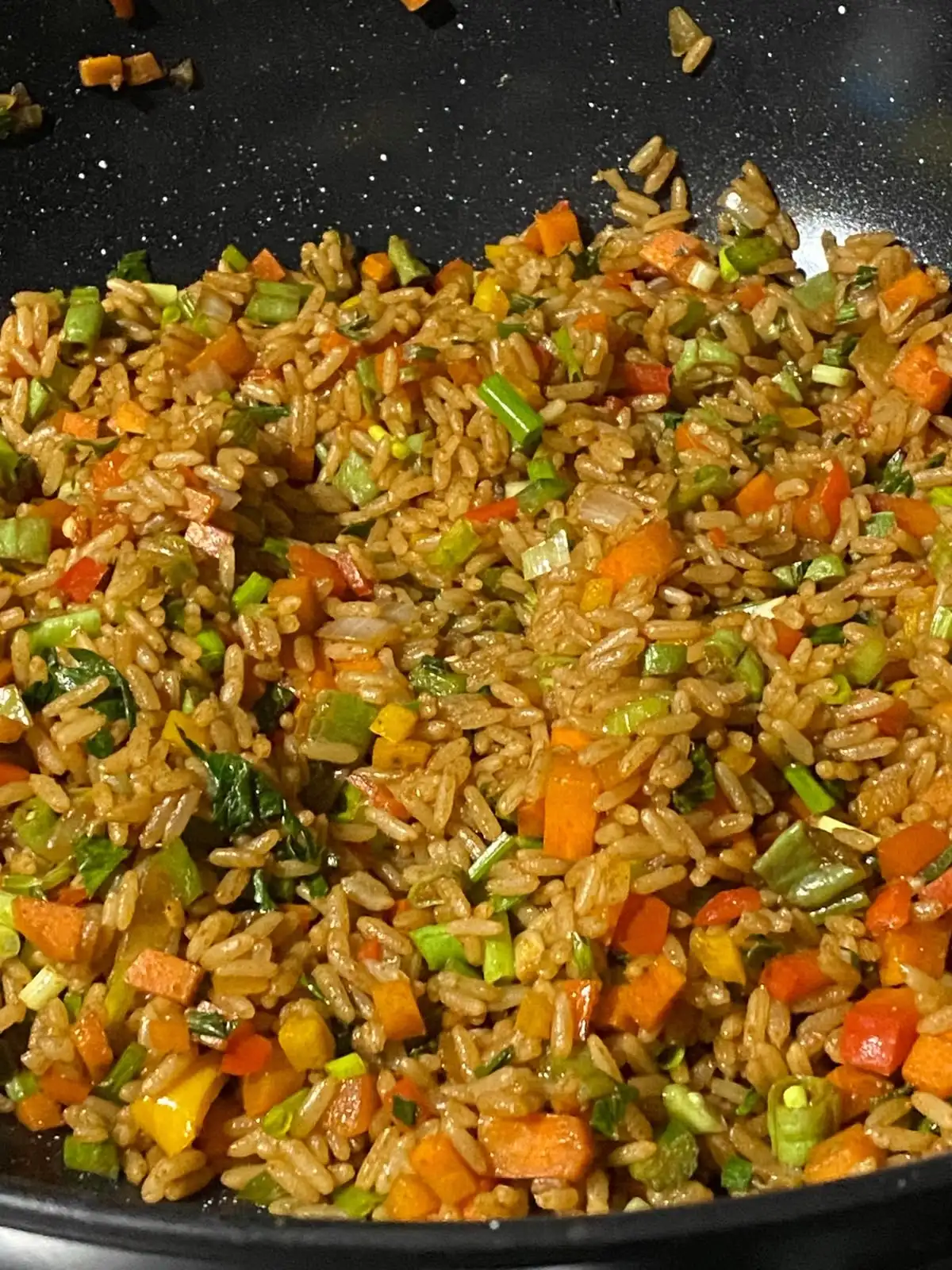
One thing about me, I love rice! And if there’s one thing I really enjoy, it’s a good Chinese-style fried rice.
Chinese restaurants have always been some of my favourite places to eat, especially when there’s a good vegetable fried rice on the menu. I love my fried rice filled with plenty of vegetables, and I’m always looking forward to those colourful, flavourful grains.
But there’s something else I pay close attention to, and that’s texture!
I’m big on mouthfeel, and nothing frustrates me more than fried rice that’s mushy, sticky, or clumped together. I’ve experienced it when buying fried rice, and when I first started making it at home, I had the same problem.
Over time, I realised that getting fluffy, separate grains starts long before the rice reaches the frying pan.
Why Does Fried Rice Turn Mushy?
One of the biggest mistakes I made was cooking my rice as though I was preparing it to eat immediately.
When you’re making regular boiled rice, you might prefer it softer. But fried rice is different because you’ll be tossing it with vegetables, seasonings, and sauces afterwards.
If the rice is already too soft, all that additional mixing can break down the grains and leave you with a mushy finished product.
I also noticed that even after straining my rice, the heat and moisture trapped inside continued softening it.
That’s when I realised two things mattered most: knowing when to stop cooking the rice and cooling it properly.
My Favourite Trick for Fluffy, Separate Grains
Although I enjoy jasmine rice, I prefer using parboiled rice when making fried rice because the grains hold their shape well.
And here’s something you might find interesting. I don’t always use day-old rice! Most times, I cook my rice fresh and prepare my fried rice the same day.
The trick is knowing exactly when to remove it from the heat.
I use a simple finger test. Take a grain of rice and gently squeeze it between two fingers. It should give slightly but still have some firmness.
You don’t want it hard, but you definitely don’t want it so soft that it practically melts between your fingers. Remember, the rice will be heated again when you’re making your fried rice.
Here’s How I Prepare My Rice
- Choose your rice: I prefer parboiled rice because it holds up well during frying and mixing.
- Watch the texture: As the rice boils, check the grains regularly. Remove it from the heat while it’s tender but still slightly firm.
- Strain immediately: Don’t leave the cooked rice sitting in hot water, where it can continue softening.
- Cool the rice: I briefly rinse my freshly strained rice with cool water to stop the cooking process.
- Drain thoroughly: Make sure the excess water runs off before frying. You want cool, separate grains, not wet rice.
These simple changes have made a big difference in how my fried rice turns out.
Chef Easy Cooking Tip: If you’re preparing rice ahead of time, cool it quickly and refrigerate it promptly. Don’t leave cooked rice sitting at room temperature for extended periods.
Getting That Perfect Fried Rice Texture
Once your rice is properly cooked and cooled, the rest becomes much easier.
Heat a little oil, add your vegetables, and then gently toss in your rice and seasonings.
I love plenty of vegetables in my fried rice, but I’m not a fan of oily fried rice. You don’t need excessive oil to get a delicious finished product.
Also, be mindful of how much sauce you add. Too much liquid can make even properly cooked rice soggy.
My Final Advice
If your fried rice keeps turning out mushy, start by paying closer attention to how you boil and cool your rice.
For me, getting the texture right before frying makes all the difference. You want grains that stay separate, hold their shape, and still taste delicious!
Ready to Try It Yourself?
Put these tips to the test with our Chef Easy Vegetable Fried Rice recipe, made with Chef Easy Chinese Style Seasoning for that delicious Chinese-inspired flavour.